No products in the cart.
Before Selling Physical Bullion

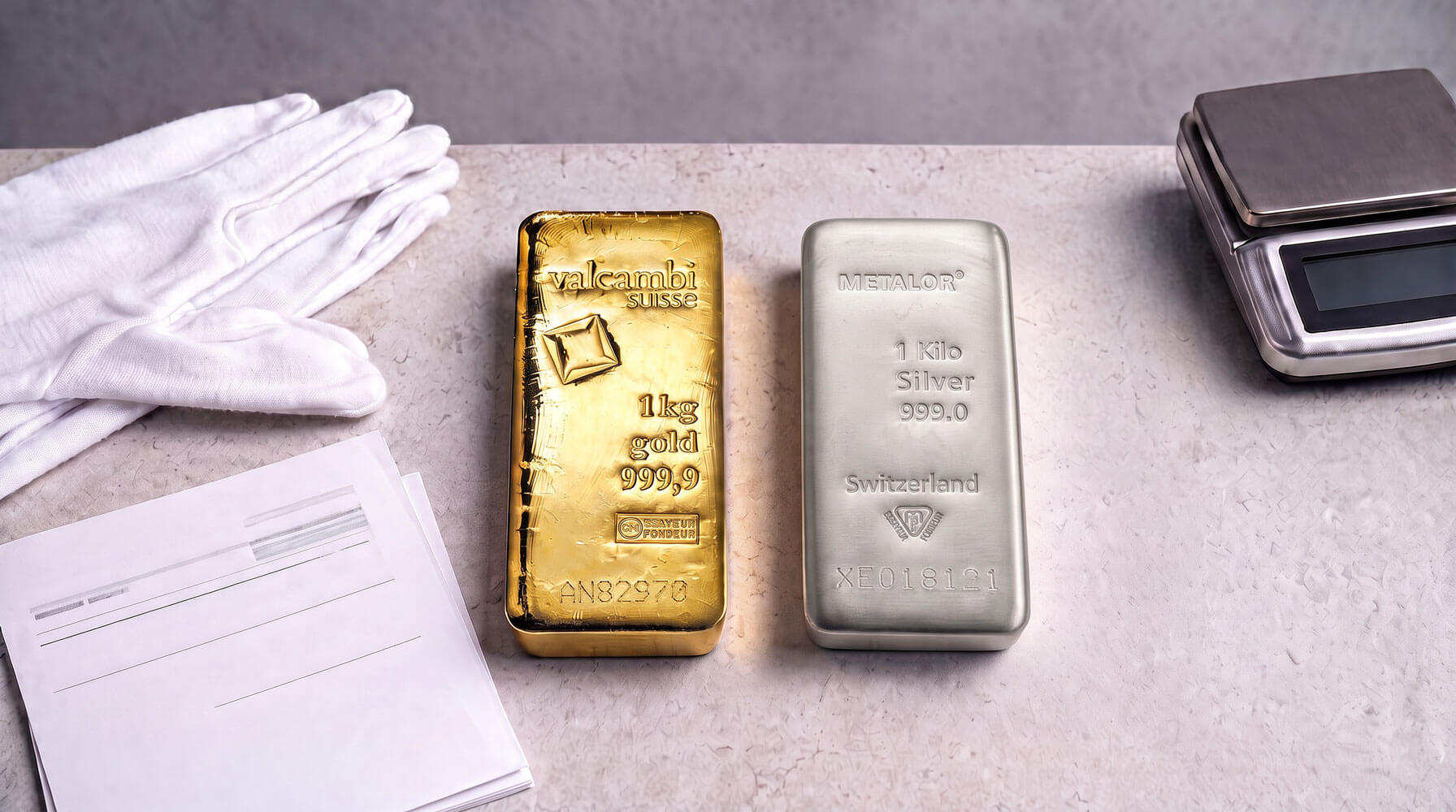
Buying physical bullion is often discussed in terms of selecting the right product, choosing a weight, comparing purity, and deciding how the metal will be stored.
But physical ownership also has another side.
At some point, an owner may decide to sell part or all of their bullion.
That decision could come years after the original purchase or much sooner. The reason may be financial planning, portfolio rebalancing, changing priorities, or simply a decision to convert physical metal back into cash.
Whatever the reason, selling bullion becomes easier to understand when the owner knows what may be reviewed before a transaction.
Physical bullion is not an anonymous number inside an account. It is a real product with weight, purity, refinery markings, condition, and sometimes packaging or identifying information.
Preparing those details in advance can make the process clearer.
Start With the Exact Product You Own
Before approaching a bullion dealer, identify exactly what you are selling.
This may sound basic, but collections often become more complicated over time.
An owner may have:
- Several gold bar weights
- Products from different refineries
- Gold coins
- Silver bars
- Products purchased at different times
- Products stored in different packaging formats
A simple inventory can make review easier.
For every product, note:
- Metal
- Weight
- Refinery or mint
- Purity
- Quantity
- Product format
- Packaging where applicable
Knowing these details helps the owner understand what is actually being offered for sale.
Weight Is One of the First Reference Points
Physical bullion is commonly identified by weight.
A gold holding might contain 5 gram, 20 gram, 50 gram, 100 gram, or one-ounce products.
Silver holdings may use considerably heavier formats.
This matters because the amount of fine metal inside the product is central to understanding its market value.
A one-ounce gold bar and a five-gram gold bar may come from the same refinery and carry similar purity, but they represent very different amounts of gold.
The same principle applies to silver.
When preparing to sell, organize bullion by weight rather than simply placing every product together.
It creates a much clearer picture of the total holding.
Check the Purity Markings
Bullion products normally communicate their fineness directly on the product or through associated information.
Gold investment bars often carry very high fineness markings such as 999.9.
Silver bars may carry a fineness such as 999.
The exact specification matters because a dealer evaluating physical bullion needs to understand how much fine precious metal the product represents.
Do not assume that two similarly sized products contain the same amount or purity.
Read the actual markings.
Refinery Recognition Helps Identification
The refinery name is another important part of the product.
Recognized bullion manufacturers use established formats and identifying details that make their products easier to understand.
RM Bullion’s physical bullion selection includes products from Swiss refineries such as Valcambi and Metalor.
If an owner has several products, keeping refinery types organized separately can make the collection easier to review.
For example, keeping Valcambi bars together and Metalor bars together can simplify identification.
The goal is not to rank one refinery against another.
It is to know exactly what is being presented.
Keep Original Packaging When Practical
Many smaller minted bars are supplied in protective packaging.
If the product remains sealed and clearly presented, there is usually little reason to remove it simply because the owner is thinking about selling.
Original packaging can help preserve condition and make product information easier to review.
However, packaging alone should never be treated as proof of authenticity.
A professional evaluation considers the bullion product itself.
Packaging supports presentation.
It does not replace verification.
Condition Can Affect the Review Process
Bullion is fundamentally valued for its precious metal content.
A small surface mark does not cause gold to stop being gold.
However, physical condition still matters.
Heavy damage, altered surfaces, missing parts, broken packaging, or unusual modifications can require additional attention during evaluation.
This is one reason unnecessary polishing or cleaning should generally be avoided.
An owner may see a fingerprint and want to make the product look new again.
Aggressive cleaning can create scratches or alter the surface.
Leaving the product in its existing protected condition is often more sensible than trying to improve it immediately before resale.
Gather Purchase Records When Available
If purchase documentation is available, keeping it organized can be useful.
Records may include:
- Purchase invoices
- Product descriptions
- Purchase dates
- Quantities
- Dealer information
- Relevant payment records
Documentation does not replace physical verification.
It provides additional context around the history of the holding.
This is also why maintaining records from the first purchase can be useful even when there is no immediate intention to sell.
Years later, remembering the details of every transaction becomes more difficult.
Understand That the Selling Price Is Not the Buying Price
One of the most important ideas in bullion ownership is the difference between a retail purchase price and a dealer’s buying price.
When a buyer purchases physical bullion, the price can include the underlying metal value plus a premium associated with refining, manufacturing, distribution, packaging, inventory, and other costs.
When the same owner later sells the product, the transaction happens from the opposite side of the market.
This creates a difference between the price at which bullion is offered to buyers and the price at which it may be purchased back.
This difference is commonly associated with the spread.
Owners should understand this before expecting the resale value to match the current retail price displayed for a new product.
Market Prices May Have Changed
A bullion product does not retain the exact dollar price shown on the day it was purchased.
Gold and silver prices move.
If the underlying metal price rises, the market reference for the bullion may rise.
If the metal price falls, the market reference may fall.
The original purchase amount is therefore historical information.
It does not determine today’s market value.
Someone selling bullion should focus on current conditions rather than the original invoice alone.
Product Demand Can Also Matter
Not every physical bullion product has identical market demand at every moment.
Recognizable weights, refinery formats, and common investment products may be easier for dealers and buyers to understand.
Certain products may also experience stronger or weaker demand depending on market conditions.
This is another reason to think about resale before purchasing.
A product should not only look attractive when it is bought.
Its format should also make sense as a physical bullion product that may eventually return to the market.
Smaller Units Offer Partial-Sale Flexibility
Suppose an owner holds 100 grams of gold.
That gold could exist as:
- One 100 gram bar
- Two 50 gram bars
- Five 20 gram bars
- A combination of different denominations
The total weight may be similar, but the resale flexibility is different.
With several smaller units, the owner can potentially sell only part of the holding.
With one large bar, the entire physical unit needs to be considered as one product.
This does not mean smaller bars are automatically better.
Smaller denominations can carry different premiums when purchased.
The point is that denomination influences future options.
Decide How Much You Actually Need to Sell
Selling bullion does not always need to mean selling everything.
Before starting the process, determine the objective.
Is the owner:
- Exiting the entire holding?
- Selling only gold?
- Selling only silver?
- Reducing the number of products?
- Converting one portion to cash?
- Rebalancing between different assets?
A clear objective prevents unnecessary transactions.
Someone who only needs part of the value may not need to liquidate the full collection.
Do Not Make Decisions Based Only on Short-Term Emotion
Gold and silver prices can move sharply during periods of economic uncertainty or intense market attention.
That movement can create emotional reactions.
When prices rise, owners may feel pressure to sell immediately.
When prices fall, they may fear that the value will continue falling.
A resale decision should ideally connect to the owner’s broader purpose.
If the original intention was long-term ownership, one short-term market move may not automatically change that plan.
If circumstances have genuinely changed, selling may make sense.
The decision should come from the objective, not simply the day’s headline.
Ask About the Process Before Arriving
A dealer may have specific requirements for evaluating and purchasing bullion.
It can be useful to understand in advance:
- Which products are accepted
- Whether identification is required
- Whether an appointment is recommended
- How products are evaluated
- How pricing is determined
- How payment is handled
- Whether large transactions require additional steps
Knowing this beforehand can make the transaction smoother.
Protect the Bullion While Transporting It
Storage security should continue until the transaction is complete.
Physical bullion should be transported discreetly.
Products should remain protected against:
- Scratching
- Dropping
- Moisture
- Unnecessary handling
- Loss
- Public visibility
If multiple products are being transported, keep them organized rather than loose inside one container.
Selling Is Part of the Ownership Cycle
Thinking about resale does not mean an owner expects to sell soon.
It means understanding the complete lifecycle of physical bullion.
A thoughtful bullion decision considers:
- What to buy
- How much to buy
- Where to store it
- How to protect it
- How to document it
- How it might eventually be sold or transferred
The final point deserves attention from the beginning.
Recognizable products, sensible denominations, clear documentation, careful handling, and realistic expectations around pricing can all contribute to a more straightforward resale experience.
Physical ownership offers direct control.
That control also means the owner is responsible for maintaining the product and understanding how it can eventually return to the market.
Frequently Asked Questions
Do I need the original receipt to sell bullion?
Purchase records can be useful, but physical bullion still needs to be identified and evaluated. The exact requirements can depend on the dealer and transaction.
Does damaged packaging make a gold bar worthless?
No. The precious metal content remains important, but damaged packaging may affect presentation and can require additional product inspection.
Will I receive the same price shown online for a new gold bar?
Not necessarily. Retail selling prices and dealer buying prices are different sides of the market and can include a spread.
Can I sell only part of my bullion holding?
If the holding consists of multiple individual products, an owner may be able to sell selected pieces rather than the entire collection.
Should I clean bullion before selling it?
Unnecessary cleaning is generally best avoided because improper polishing or abrasive materials can alter or scratch the surface.
Choose Bullion With the Full Journey in Mind
Explore recognized gold bars, gold coins, and silver bars designed for clear physical ownership.
Related Articles

Recognized Refineries Add Confidence to Precious Metal Buying
When buying physical precious metals, the metal itself is only part of the decision. Buyers also...
Read More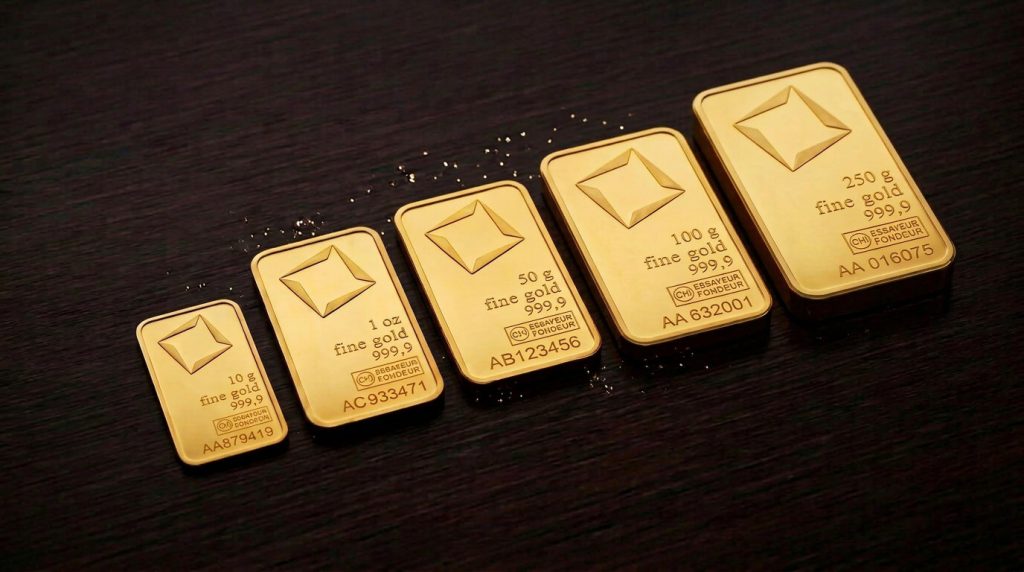
A More Disciplined Approach to Buying Bullion
Physical bullion buying can become emotional when attention is focused only on price. A market moves....
Read More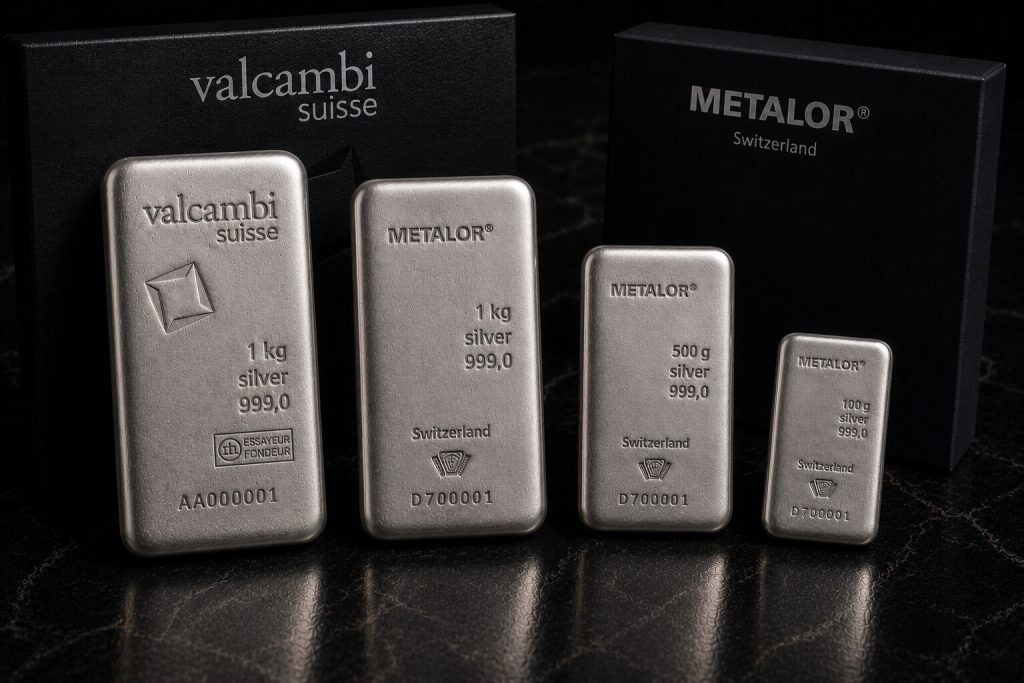
How Silver Bars Add Balance to a Precious Metals Collection
Silver bars can play an important role in a precious metals collection. While gold is often...
Read More