
No products in the cart.
A More Disciplined Approach to Buying Bullion

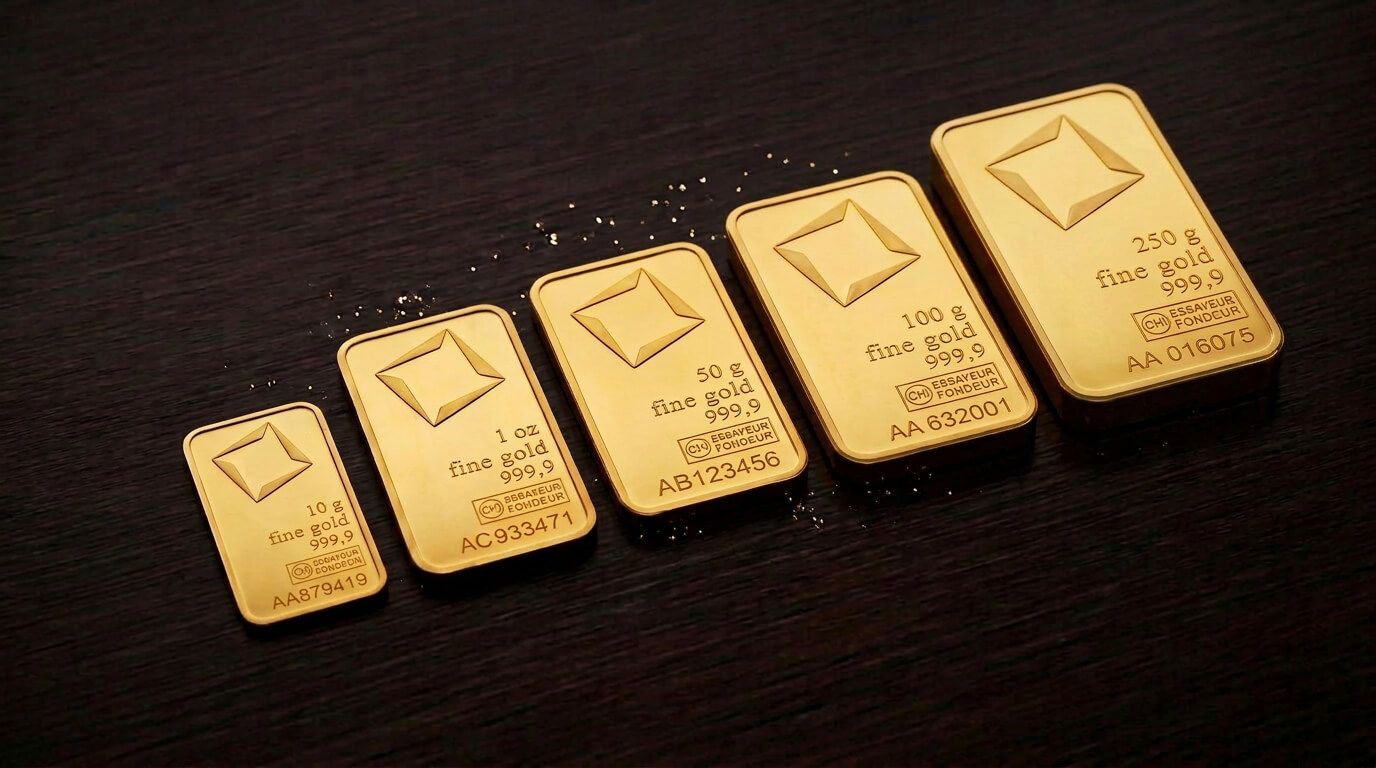
Physical bullion buying can become emotional when attention is focused only on price.
A market moves. A headline appears. Someone predicts that gold will rise. Another person says it will fall. Buyers begin wondering whether they should purchase immediately, wait another week, or abandon the idea completely.
This creates unnecessary pressure.
A more structured approach starts somewhere else.
Instead of asking what the market might do tomorrow, a buyer can first ask what role physical bullion is supposed to play in their own financial planning.
Once that purpose is clear, building a routine can make decisions more consistent.
A Routine Is Different From Buying Automatically
A bullion buying routine does not mean purchasing metal without thinking.
It means creating a framework for making decisions.
That framework might include:
- A defined budget
- Preferred metals
- Preferred weights
- A review schedule
- Storage planning
- A longer-term objective
The buyer still reviews conditions before every transaction.
The difference is that decisions begin with a plan rather than a reaction.
Someone exploring gold bars can therefore compare products against a predetermined budget instead of starting from whatever product happens to attract attention that day.
Start With an Amount You Can Allocate Comfortably
One of the most important parts of a buying routine is setting boundaries.
Physical bullion should not create pressure on money needed for normal expenses, commitments, emergency needs, or other priorities.
A buyer can determine what amount is realistically available for precious metals over a particular period.
That may be:
- A monthly amount
- A quarterly amount
- An occasional allocation
- A larger planned purchase at specific intervals
The exact frequency matters less than sustainability.
A plan that works comfortably for several years can be more useful than an aggressive plan that is abandoned after two months.
Decide What You Are Trying to Build
Not every bullion collection needs to look the same.
One owner may prefer gold.
Another may hold both gold and silver.
One may prefer fewer larger bars.
Another may intentionally build several smaller pieces.
Someone else may include gold coins because they appreciate the combination of physical metal, recognizable formats, and historical character.
The buying routine should reflect the intended outcome.
Ask Three Questions Before Each Purchase
Before buying, consider:
- Does this fit my purpose?
- Does this fit my planned budget?
- Does this improve the structure of what I already own?
If the answer to all three is clear, the decision becomes easier.
If the answers are unclear, waiting and reviewing may be more sensible.
Consistency Reduces the Pressure to Predict Prices
Trying to identify the perfect buying moment is difficult.
Prices change continuously because precious metals are traded globally and influenced by many economic and market factors.
A buyer who believes every purchase must occur at the lowest possible price may remain permanently uncertain.
If the price falls after buying, they regret purchasing.
If the price rises while they wait, they regret not purchasing.
A disciplined routine changes the focus.
Instead of expecting perfect timing, the buyer evaluates whether the purchase fits a longer-term plan.
That does not mean price should be ignored.
Price always matters.
It simply becomes one factor rather than the entire strategy.
Follow the Market Without Becoming Controlled by It
Following bullion prices is useful.
Watching them constantly may not be.
A structured buyer might review:
- Current gold or silver prices
- Product premiums
- Available products
- Their own budget
- The composition of their existing holdings
They do not necessarily need to react to every movement.
A daily price change may look significant on a chart while making very little difference to a long-term ownership plan.
The relevant question is whether something meaningful has changed in the buyer’s situation or objectives.
Use Different Weights With a Purpose
A buying routine can also help create a useful mix of bullion sizes.
Smaller pieces may provide flexibility.
Larger products can concentrate more metal into fewer individual pieces.
For example, someone may begin with a compact product such as a 5 Gram Valcambi Swiss Gold Bar and later decide that their budget and goals support larger formats.
Another owner may deliberately continue buying smaller pieces because flexibility matters more to them.
A routine prevents the collection from becoming random.
Every weight can have a reason for being there.
Variety Does Not Need to Become the Goal
The bullion market contains many products.
That does not mean an owner needs one of everything.
Without discipline, a buyer can begin accumulating products simply because each new option looks interesting.
This can create a collection without a clear structure.
Before adding another product type, ask what it contributes.
Does it:
- Add a useful weight?
- Introduce a different metal?
- Improve flexibility?
- Fit a gifting objective?
- Support diversification?
- Replace a format that is no longer preferred?
Buying something different merely because it is different is not automatically strategic.
Consider Silver When It Fits the Plan
Gold often receives more attention, but silver bars can form part of a physical precious metals approach.
Silver has a different price per unit of weight, different storage considerations, and different practical characteristics.
Someone can therefore decide in advance whether silver belongs in their routine.
For example, a buyer may choose to direct most of a bullion budget toward gold while occasionally allocating part toward silver.
Another may focus completely on one metal.
There is no requirement that every bullion owner holds the same proportions.
The important point is intention.
Review the Strategy Periodically
A routine should not become permanent simply because it was created once.
Personal circumstances change.
Budgets change.
Storage space changes.
Goals change.
Product availability changes.
A review every few months can answer:
- Am I still comfortable with the amount being allocated?
- Has my reason for buying bullion changed?
- Am I accumulating too many small pieces?
- Would a different weight now make more sense?
- Is my storage approach still suitable?
- Is my collection becoming too concentrated in one format?
This keeps the strategy deliberate.
Avoid Increasing Purchases Because of Excitement
Rapid price movements often attract attention.
When a market becomes highly discussed, buyers may feel pressure to increase purchases simply because everyone appears to be talking about the asset.
That is exactly when discipline matters.
A pre-existing budget creates a boundary between interest and action.
The buyer can still change the plan, but the change should have a reason.
Seeing a dramatic headline is not the same as having a meaningful change in financial circumstances or long-term goals.
Avoid Abandoning the Plan Because of Fear Alone
The opposite reaction can also happen.
A temporary decline can make someone question an entire long-term approach.
A disciplined owner reviews whether the original reason for owning physical bullion has changed.
If it has, the strategy may need adjustment.
If it has not, short-term market weakness should at least be considered in the context of the original time horizon rather than treated in isolation.
This is why defining the purpose before buying is so valuable.
The purpose gives decisions context.
Storage Should Develop Alongside the Routine
A successful buying plan eventually creates another question.
Where will the additional metal go?
Someone who buys periodically should review storage periodically too.
A secure solution that is appropriate for a few small bars may eventually need to change as the quantity increases.
Storage reviews should therefore be part of the buying routine.
Ownership is not complete simply because the purchase has been made.
The physical asset must remain properly protected afterward.
Keep Records of What You Own
A disciplined purchase strategy becomes easier to manage when the owner maintains clear records.
A simple private inventory can include:
- Product
- Weight
- Metal
- Refinery
- Quantity
- Purchase date
- Purchase source
- Relevant documentation
This gives the owner a clearer view of how holdings are developing over time.
It can also reveal when the collection has become heavily concentrated in one weight or format.
The objective is not to make physical bullion complicated.
It is to make ownership clearer.
A Good Routine Makes Bullion Buying Simpler
The strongest benefit of a bullion buying routine is not that it predicts the future.
It cannot.
Its benefit is that it creates discipline.
A buyer knows:
- Why they are buying
- Approximately how much they can allocate
- Which products fit the plan
- When they will review the strategy
- How purchases will be stored
That structure reduces impulsive decisions.
Physical bullion is already a relatively straightforward asset to understand.
A disciplined approach can help keep the buying process equally clear.
Frequently Asked Questions
How often should someone buy bullion?
There is no universal frequency. The appropriate schedule depends on budget, objectives, financial circumstances, and the buyer’s broader plan.
Should I wait for gold prices to fall before buying?
Price is an important factor, but trying to predict the lowest possible point can be difficult. Buyers can evaluate price alongside their budget and longer-term purpose.
Is buying smaller gold bars regularly a good strategy?
Smaller bars can offer flexibility, but the right approach depends on budget, storage, and the desired structure of the collection.
Should a bullion routine include both gold and silver?
It can, but it does not have to. The mix should reflect the buyer’s goals and practical preferences.
Can I change my bullion buying plan later?
Yes. A good routine should be reviewed periodically as budgets, goals, storage needs, and circumstances change.
Build Your Bullion Plan with Purpose
Explore gold bars, gold coins, and silver bars that fit your buying goals and long-term approach.
Related Articles

Gold Bars and Gold Coins Serve Different Buying Goals
Gold bars and gold coins are two of the most recognized ways to own physical gold....
Read More
Why Bullion Packaging and Handling Matter
Buying physical bullion is only the beginning of ownership. Once a gold bar, gold coin, or...
Read More
A Practical Guide to Bullion Liquidity
When people describe physical bullion, they often focus on weight, purity, refinery and price. Another term...
Read More