No products in the cart.
Why Bullion Packaging and Handling Matter

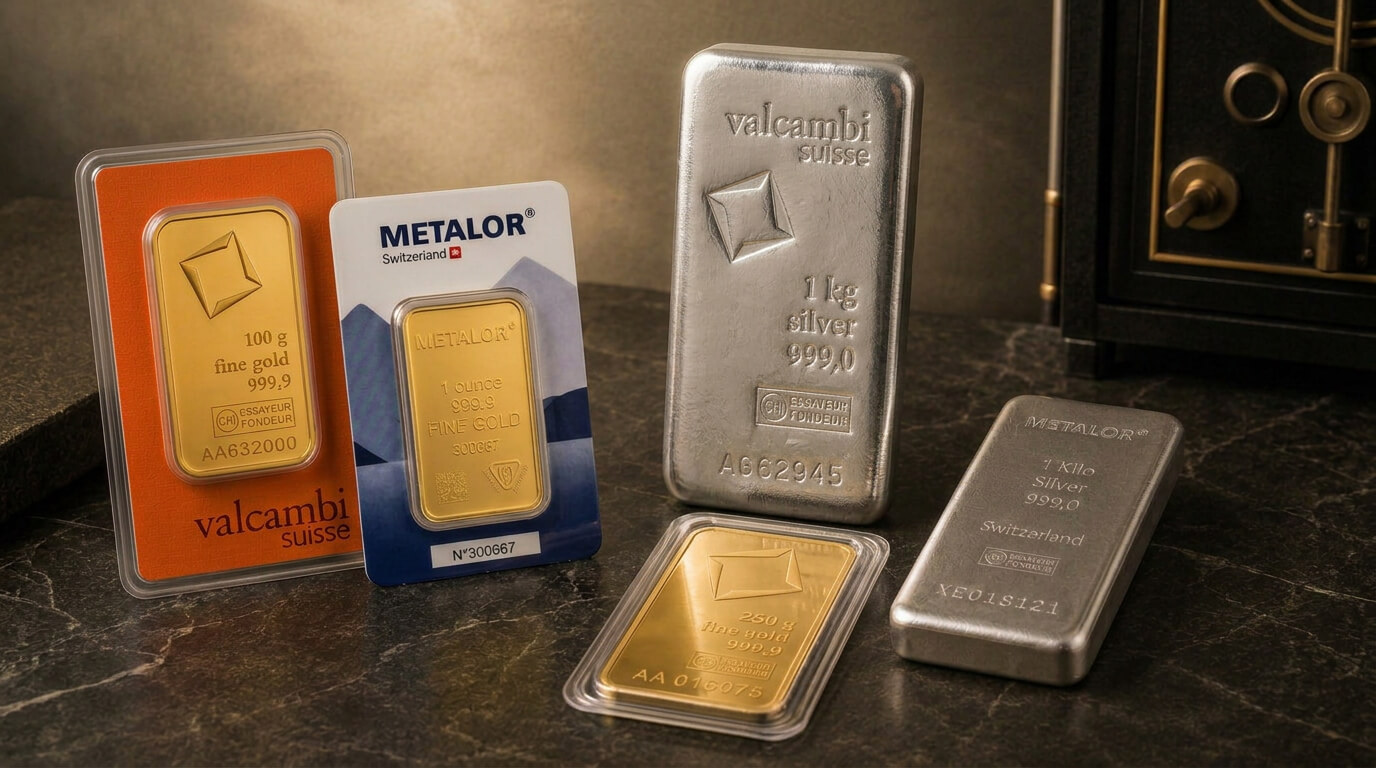
Buying physical bullion is only the beginning of ownership. Once a gold bar, gold coin, or silver bar becomes part of a collection, the way it is handled, organized, and stored starts to matter.
Precious metals are valued primarily for the metal they contain, but physical condition still plays an important role in the ownership experience. Scratches, damaged packaging, missing documentation, unnecessary handling, and poor organization can make a product more difficult to identify, store, or present later.
This does not mean bullion needs to be treated like an untouchable museum piece. It means owners should understand which parts of a product are designed to remain protected and when handling adds no real benefit.
For buyers exploring physical gold bars, this distinction is especially useful. Many modern investment bars are designed to provide clear information about weight, purity, refinery, and product identity. Maintaining that clarity after purchase helps make physical ownership easier.
Packaging Has a Practical Purpose
Bullion packaging can serve several purposes depending on the product.
Some products may arrive in protective cards, capsules, sleeves, cases, or sealed packaging. Others, particularly larger cast bars, may be supplied in a more direct physical format.
Packaging can help protect a product against:
- Surface scratches
- Fingerprints
- Dust
- Repeated contact
- Accidental abrasion
- Moisture exposure
- Mixing with other pieces
- Loss of accompanying information
The packaging is not the metal itself, and damaged packaging does not automatically change the amount of gold or silver contained in a bullion piece.
However, keeping the original presentation intact when practical can make ownership more organized.
The buyer can identify the product more easily and reduce unnecessary contact with the metal.
Original Presentation Makes Identification Easier
Imagine owning several gold bars of different weights.
If every bar is removed from its original presentation and placed together without organization, identifying them becomes less convenient. The owner may need to inspect each piece closely every time.
Keeping products organized reduces that problem.
For example, a compact product such as a 5 Gram Valcambi Swiss Gold Bar represents a small amount of physical gold in a very compact format.
Protecting and clearly organizing smaller bullion pieces can be particularly useful because several products may eventually be stored together.
The goal is simple.
A bullion collection should become easier to understand as it grows, not more confusing.
Avoid Unnecessary Handling
Physical gold is appealing partly because it can be held.
That does not mean it needs to be handled regularly.
Every time a bullion product is removed, passed between people, placed on a surface, or moved without protection, another opportunity for cosmetic damage is created.
For many owners, there is little benefit in doing this repeatedly.
A useful principle is to handle bullion when there is a genuine reason to handle it.
Reasons may include:
- Inspecting a purchase when appropriate.
- Moving it into secure storage.
- Verifying identifying details.
- Reorganizing a collection.
- Preparing it for a legitimate transaction.
Taking a gold bar out simply to touch it repeatedly adds risk without improving ownership.
Condition Is Different From Metal Content
This distinction is important.
Investment bullion is fundamentally connected to its metal content. A superficial mark does not cause gold to stop being gold.
However, buyers should not interpret that as meaning physical condition never matters.
Condition can influence how easily another person can inspect and feel comfortable with a product. The presence of clear refinery markings, weight information, purity details, serial information where applicable, and undamaged presentation can make identification easier.
This is particularly relevant when dealing with recognizable formats such as the 1 oz Metalor Swiss Gold Bar.
The objective is not cosmetic perfection for its own sake.
The objective is preserving clarity.
Packaging Alone Does Not Confirm Authenticity
Owners should also avoid the opposite mistake.
Professional-looking packaging should never be treated as the only evidence that a bullion product is authentic.
Packaging can be copied.
Labels can be copied.
Cards can be copied.
The product itself, its specifications, source, refinery, markings, weight, purity, and seller all matter.
This is why bullion should be purchased through a trusted source rather than judged mainly by presentation.
Good packaging supports confidence.
It does not replace proper sourcing.
Keep Bullion Products Separated
One simple storage habit can make a noticeable difference.
Do not allow bullion pieces to move loosely against each other if it can be avoided.
Gold is a relatively soft metal. Repeated contact can create marks, particularly on highly finished minted products.
Coins can also develop scratches when stored loosely together.
Owners can instead maintain separation through appropriate:
- Original packaging
- Protective capsules
- Sleeves
- Individual compartments
- Storage trays
- Secure containers
The correct method depends on the product.
A larger silver bar does not necessarily require the same treatment as a small minted gold bar.
Build an Inventory as Your Holdings Grow
Physical bullion has one characteristic digital assets do not have.
You need to know where every piece physically is.
A buyer with one bar can remember it easily.
A buyer with several weights, brands, coins, and silver bars should become more organized.
A basic personal inventory can record:
- Product name
- Metal
- Weight
- Refinery or mint
- Quantity
- Purchase date
- Purchase documentation
- Storage location reference
Sensitive security information should be protected and should not be left somewhere easily accessible to others.
The objective is organization.
If an owner eventually adds a 1 oz Valcambi Swiss Gold Bar alongside smaller bars, coins, or silver, a simple inventory makes the full collection easier to understand.
Keep Purchase Documentation Organized
Receipts and purchase records can be useful long after a transaction.
Owners often focus heavily on the metal and forget about the documentation surrounding it.
Keeping appropriate records can help establish:
- Where the product came from
- When it was purchased
- What was purchased
- The quantity purchased
- Relevant transaction information
Digital copies can also be useful as long as they are stored securely.
Good bullion ownership is partly about the physical asset and partly about maintaining clear information around it.
Avoid Unnecessary Cleaning
A fingerprint or small mark can tempt an owner to polish a bullion product.
That may create a bigger problem.
Aggressive cleaning, abrasive materials, chemicals, polishing compounds, or rough cloths can alter the surface.
In many cases, doing nothing is preferable to attempting unnecessary restoration.
Bullion does not need to look freshly manufactured every day to remain physical gold or silver.
Protecting it from unnecessary wear is generally more sensible than repeatedly trying to improve its appearance.
Think About Handling Before Making the Purchase
Packaging and handling are not separate from the buying decision.
They are part of it.
Before purchasing physical bullion, a buyer can already consider:
- Where the product will be stored
- Whether its format is convenient
- How several pieces will be organized
- Whether documentation can be maintained
- How frequently the owner expects to access it
A buyer who prefers compact, individually organized products may approach purchases differently from someone building holdings around larger bars.
Neither approach is automatically better.
The important point is that the products should fit the owner’s practical situation.
Physical Ownership Comes With Responsibility
Bullion is intentionally simple.
A gold bar does not require software updates.
It does not need an account password to exist.
It remains a physical object under the owner’s control.
That simplicity comes with responsibility.
Owners need to protect, organize, store, and document their products properly.
Packaging and careful handling contribute to that process.
They can help preserve the condition of the product, make identification easier, reduce unnecessary contact, and keep a growing bullion collection organized.
Physical bullion should feel straightforward to own.
Good handling habits help keep it that way.
Frequently Asked Questions
Should I remove a gold bar from its original packaging?
If the product is supplied in protective or sealed packaging, there is usually no practical reason to remove it unless inspection or another legitimate purpose requires it.
Does damaged packaging mean the gold has lost value?
The gold content does not disappear because packaging is damaged. However, original condition and clear presentation can make identification and future handling easier.
Can I clean a gold or silver bar?
Unnecessary cleaning should generally be avoided because abrasive materials or improper techniques may mark the surface.
Should different bullion pieces be stored separately?
Separating products can reduce scratching and make a collection easier to organize and identify.
Is packaging enough to confirm that bullion is authentic?
No. Product specifications, refinery markings, sourcing, seller credibility, and other identifying information are also important.
Protect What You Choose to Own
Explore trusted gold and silver bullion products and build your holdings with confidence.
Related Articles
Gold and Silver Bars Make Physical Value Easy to Understand
Gold and silver bars are among the clearest ways to understand physical precious metals. They are...
Read More
Bullion Buying Should Match Your Purpose
Buying bullion becomes easier when the buyer understands the reason behind the purchase. Gold bars, gold...
Read More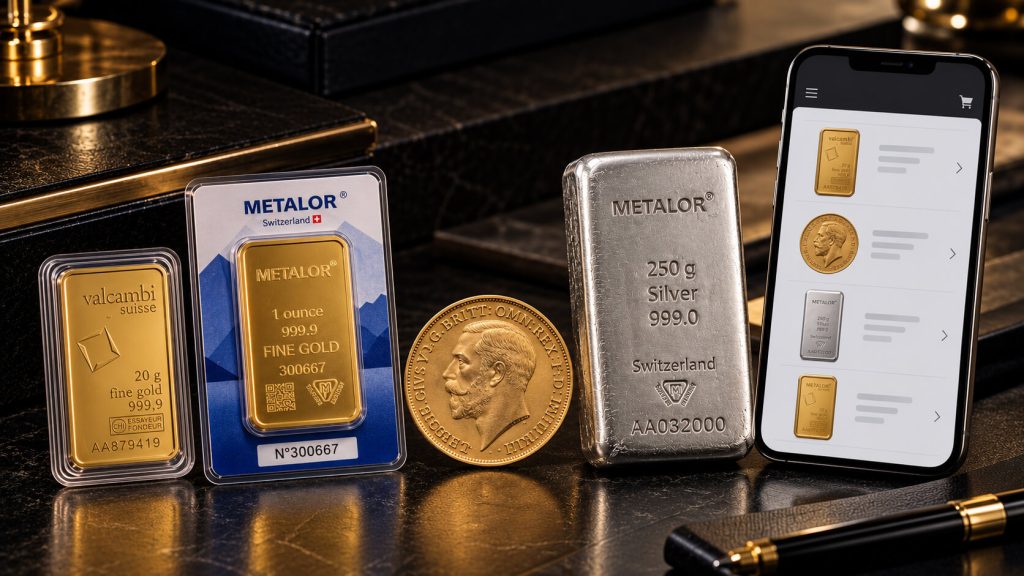
Reading a Bullion Product Page Before You Buy
A bullion product page can contain a surprising amount of information. The product name may identify...
Read More